
Lab-Grown vs Natural Diamonds
Understand the origin. Review the individual stone.
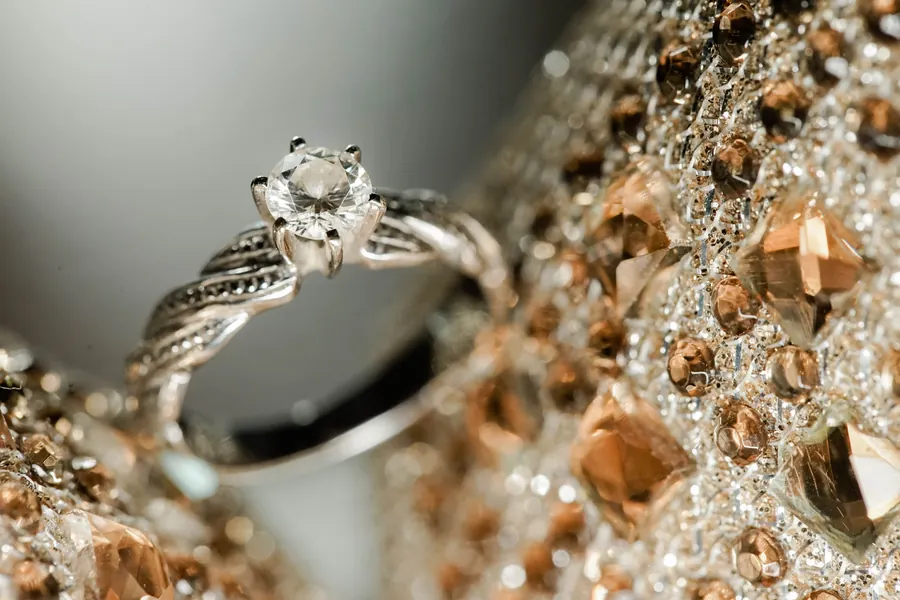
Lab-grown diamonds are produced using controlled growth processes. Natural diamonds form through geological processes. Both are diamonds; their origin is a distinction that should be made clear when a stone is offered.
Diamond is not the same as a simulant
A material that resembles a diamond is not necessarily diamond. Cubic zirconia and moissanite, for example, are different materials. A diamond photograph cannot establish which material or growth method it shows.
| Question | Lab-grown | Natural |
|---|---|---|
| Origin | Controlled growth process | Geological formation |
| Identification | Specialist examination and origin disclosure | Specialist examination and origin disclosure |
| Design selection | Assess the individual stone and specification | Assess the individual stone and specification |
| Documentation | Confirm the assessment offered for that stone | Confirm the assessment offered for that stone |
Choose for the piece you want to make
Origin is one part of a decision. Proportion, appearance, dimensions, setting and budget remain useful questions for a custom brief. A larger carat number does not automatically create the most balanced design.
Ask what the documents establish
Review the identity of the proposed stone and the scope of its accompanying document. Do not infer origin from a photograph or assume that all stones in a piece receive an individual report.
Check the report type
Laboratories use different reporting systems. GIA’s current laboratory-grown diamond quality assessment uses Premium and Standard categories. Review the actual report type and date rather than treating all laboratory documents as interchangeable.
GIA laboratory-grown diamond services.
Avoid broad promises
Environmental impact, value retention and future resale depend on factors that cannot be guaranteed simply by choosing an origin category. This guide does not claim that one choice is universally preferable.
Further reading: GIA: natural and laboratory-grown diamonds. Reviewed October 2026.