
DIAMOND DOCUMENTATION
How to Read an IGI Lab-Grown Diamond Report
Connect the reported details to the diamond you are considering, then review the stone and purchase terms separately.
 Start a Project
Practical answers for sending a brief, approving samples and planning production.
Connect the reported details to the diamond you are considering, then review the stone and purchase terms separately.
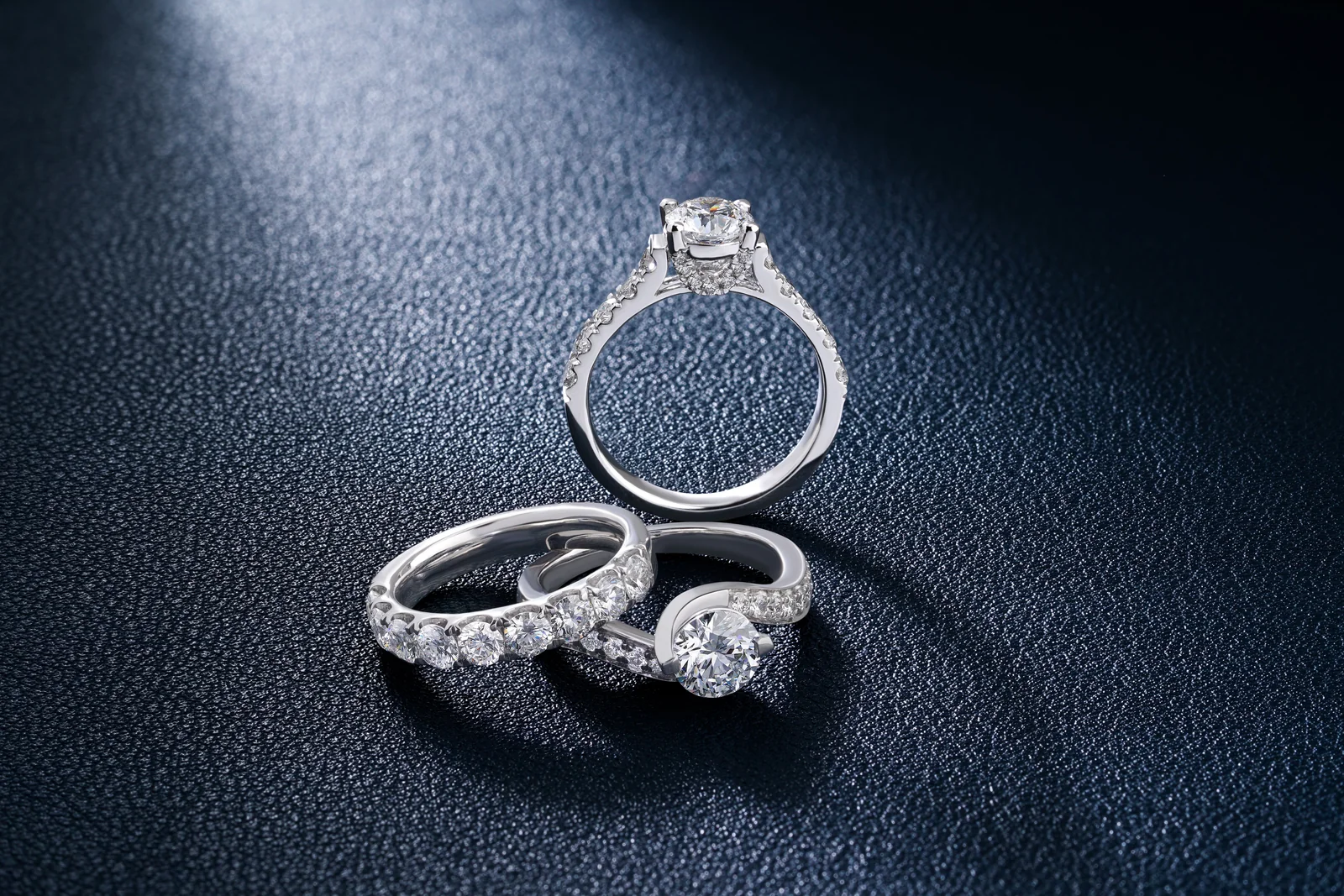
Setting height and wedding-band clearance are related decisions. A low profile alone does not establish a flush fit.

Confirm the complete bracelet: its length, stones, metal, connections and fastening.
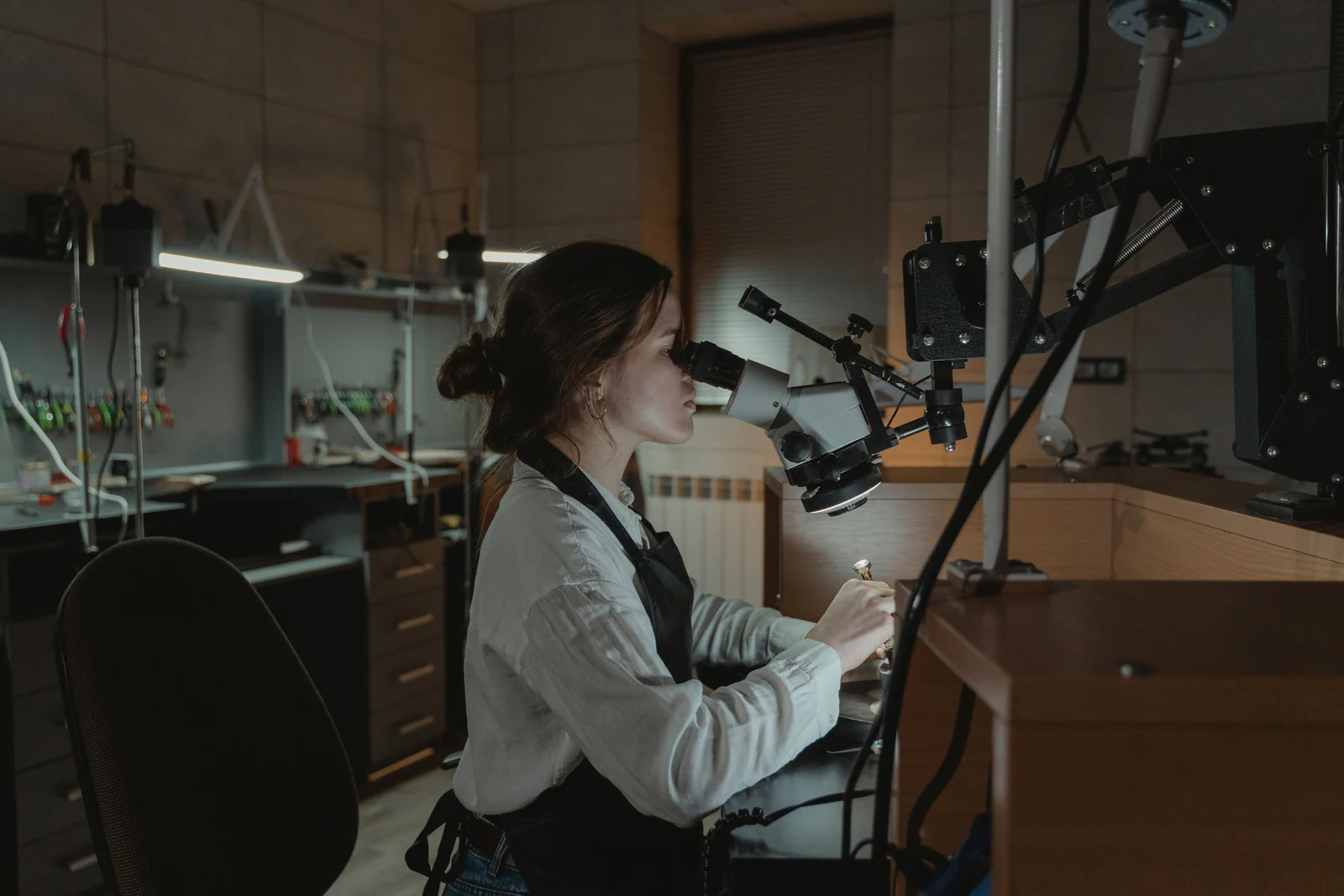
Jewelry manufacturing turns an approved design into prepared metal components, set stones and a finished piece through sampling, production and inspection.
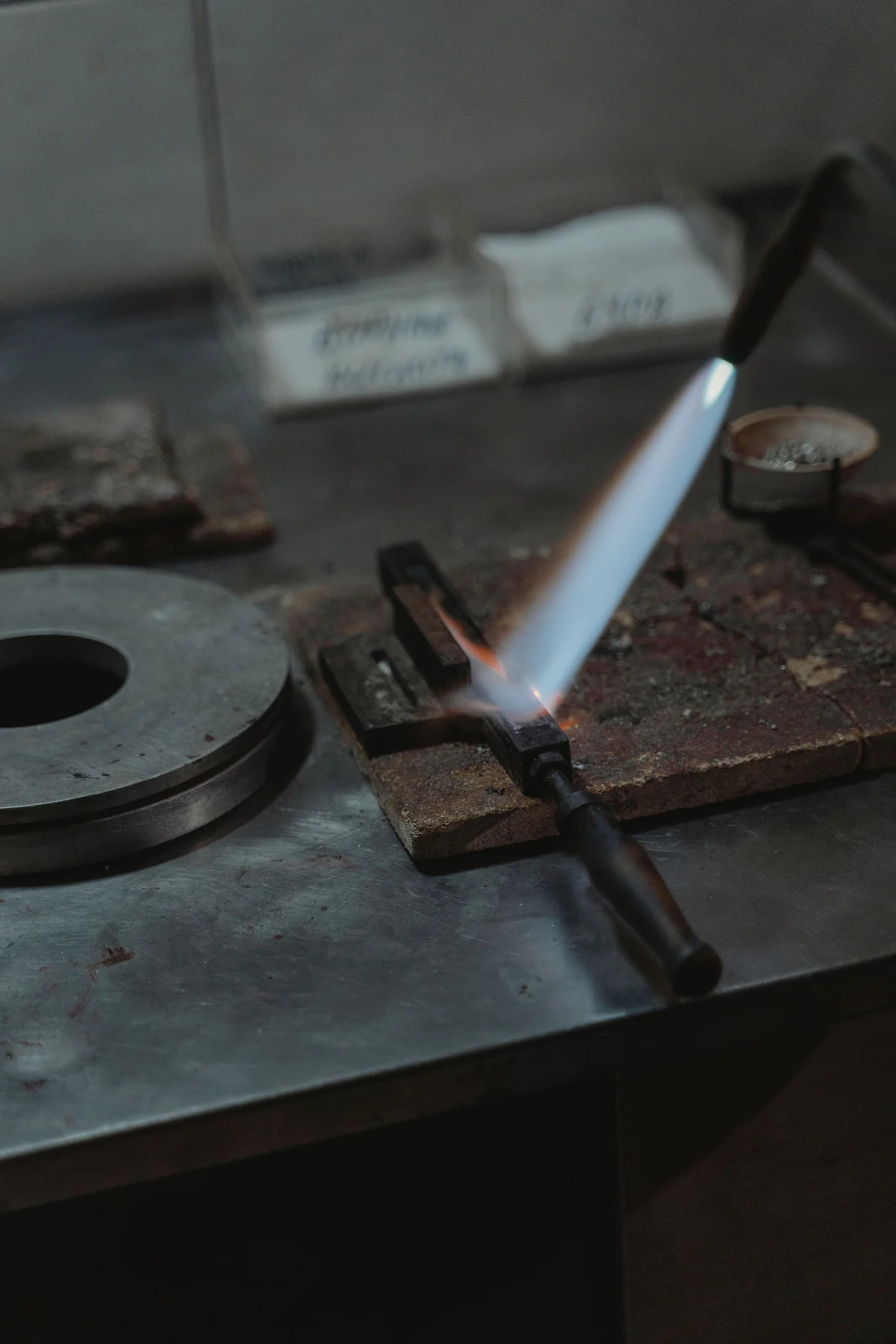
OEM starts with a client-supplied design for manufacturing; ODM starts with an idea that needs product design and CAD development before manufacture.

A private label collection can begin without CAD: select a product direction, define the customer and price position, then develop samples and brand presentation.
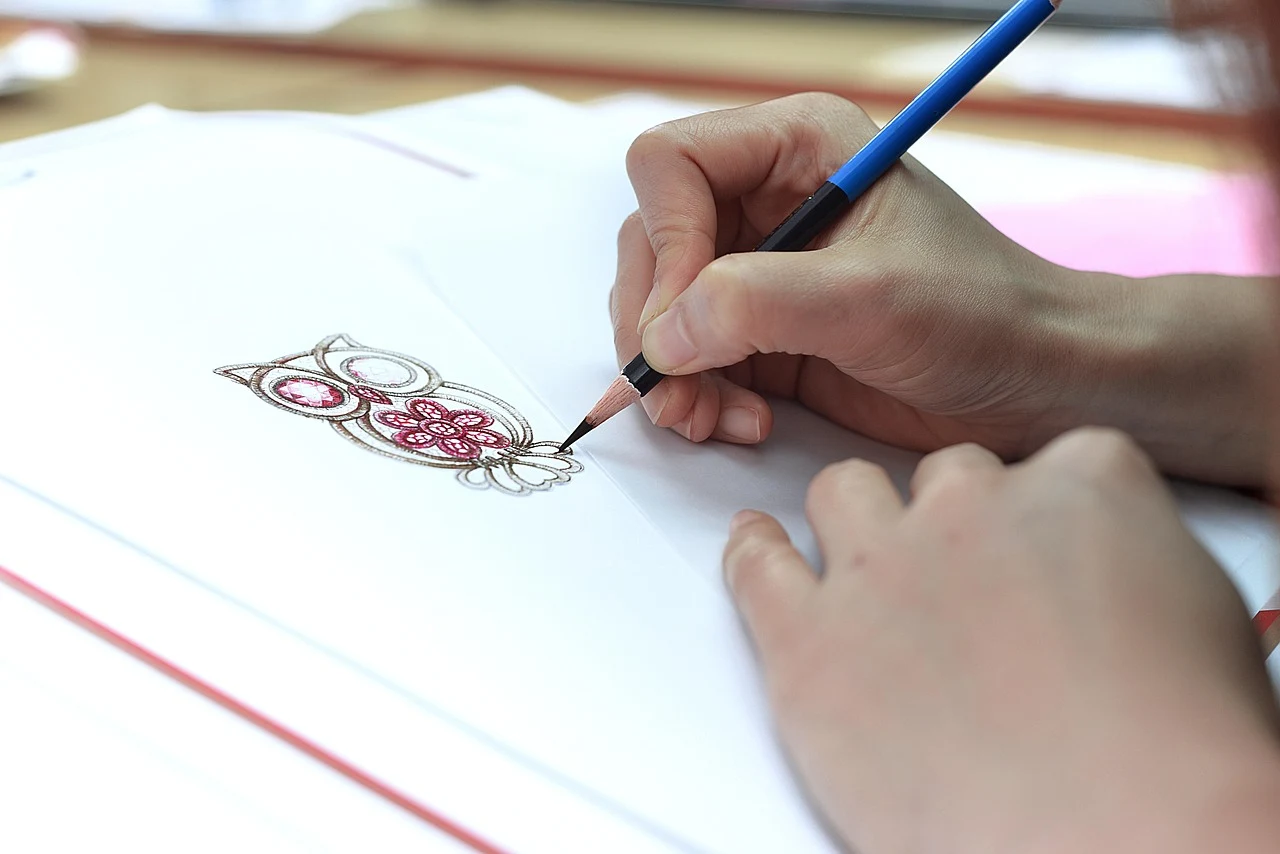
Send the current design file with units, dimensions, material and stone requirements, plus a drawing or image that identifies the critical features.
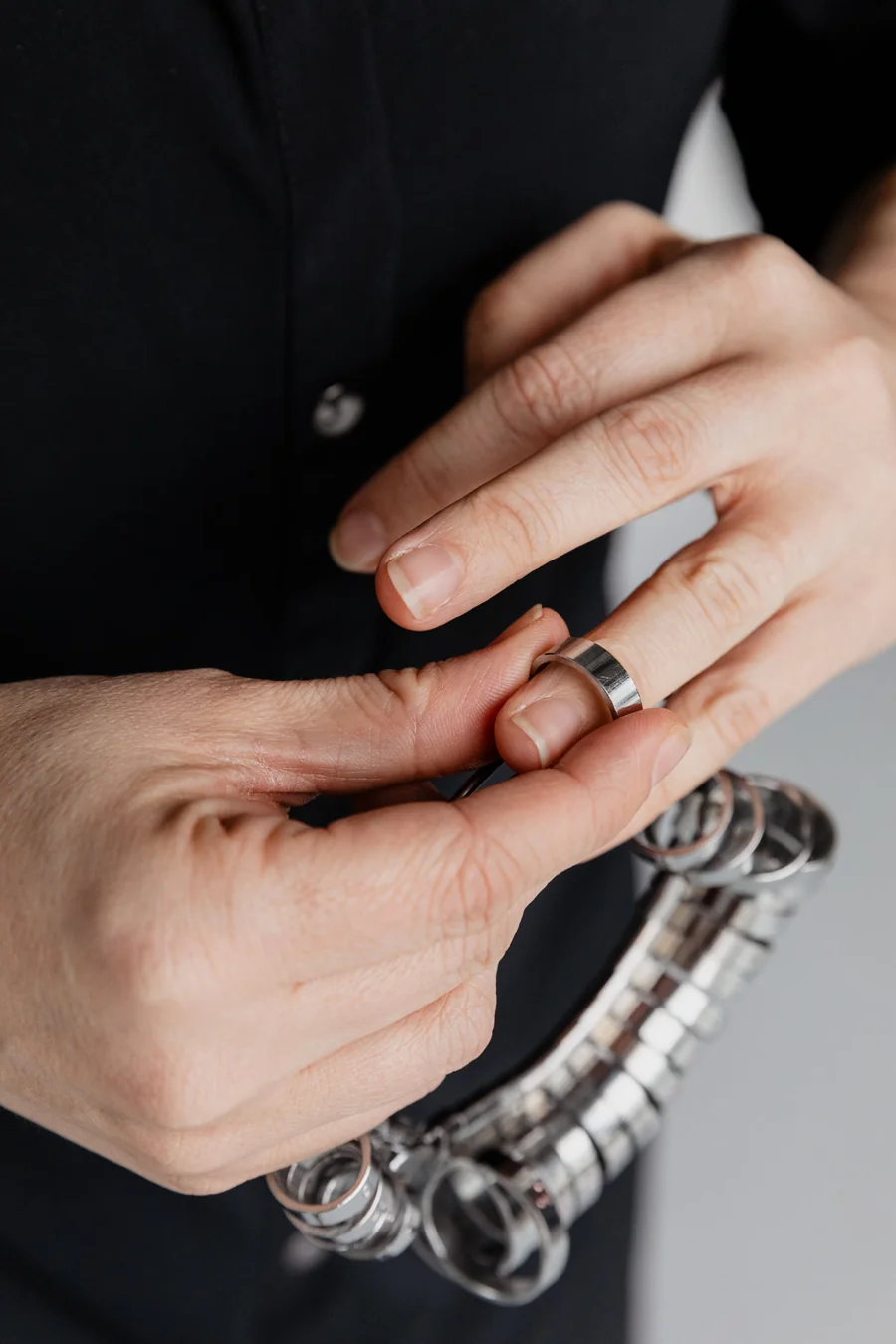
Approve a jewelry sample against a written specification and revision record, recording any corrections before the agreed production stage begins.
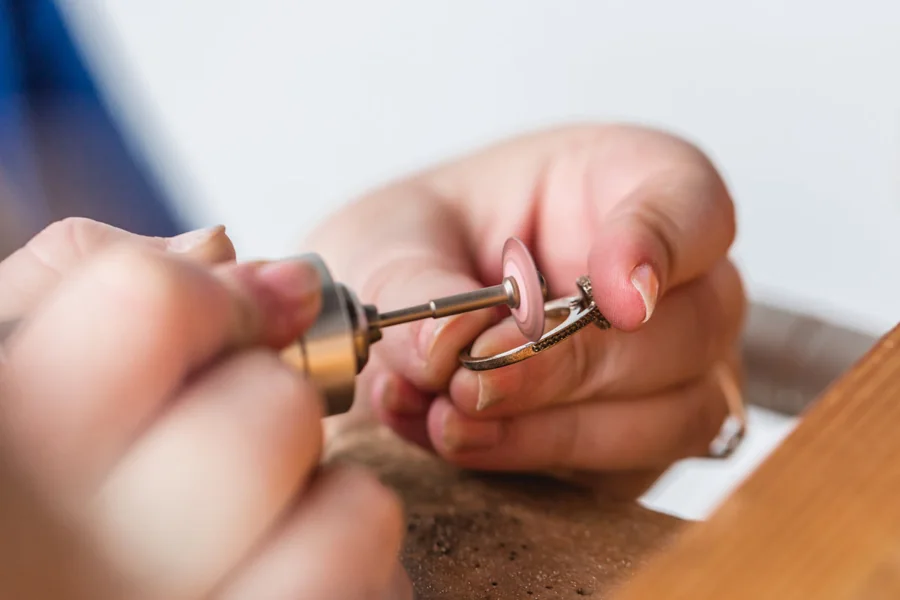
Small-batch jewelry manufacturing starts with an approved product specification and a feasible quantity, balancing development, tooling, material and inspection requirements.
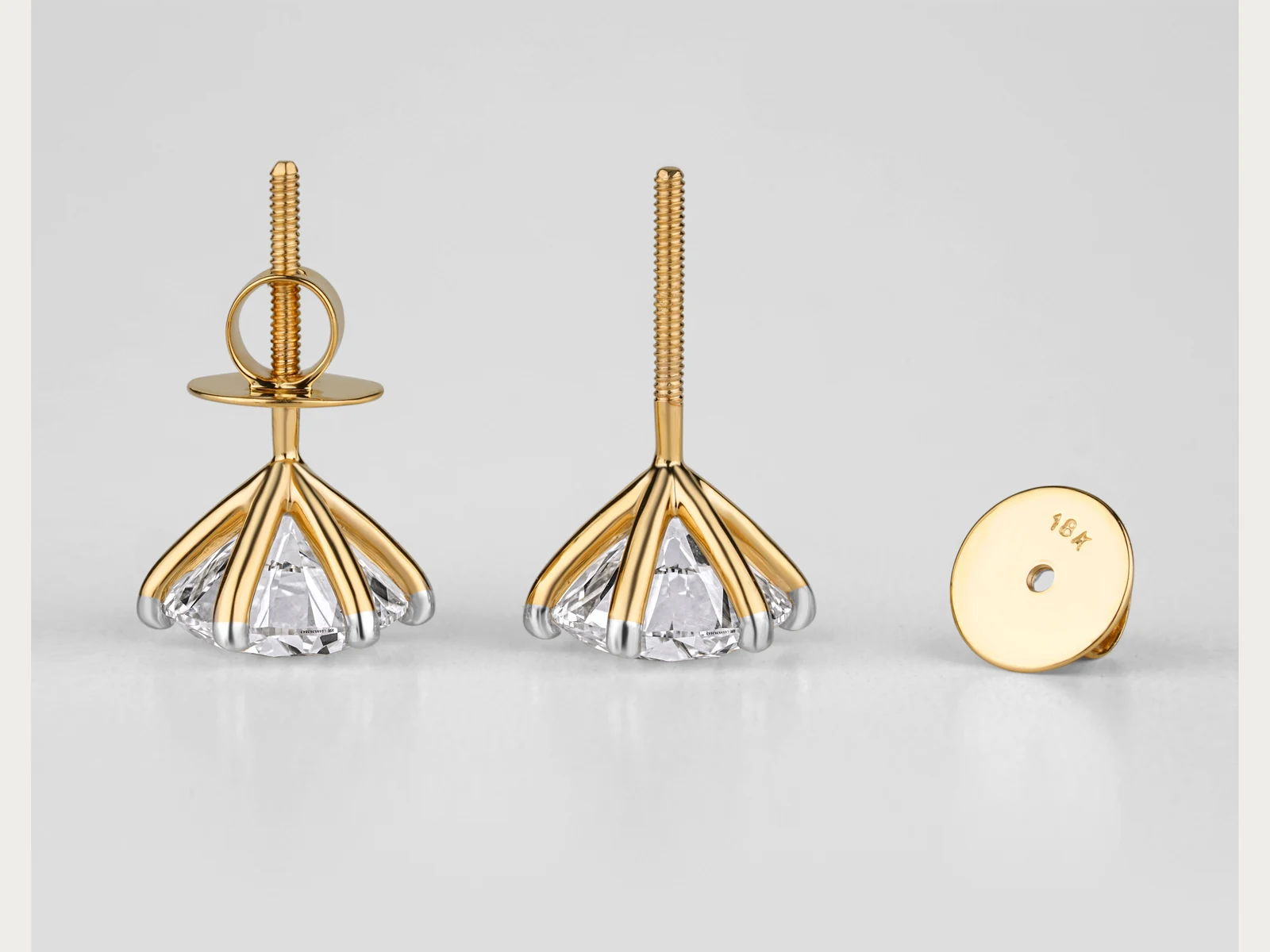
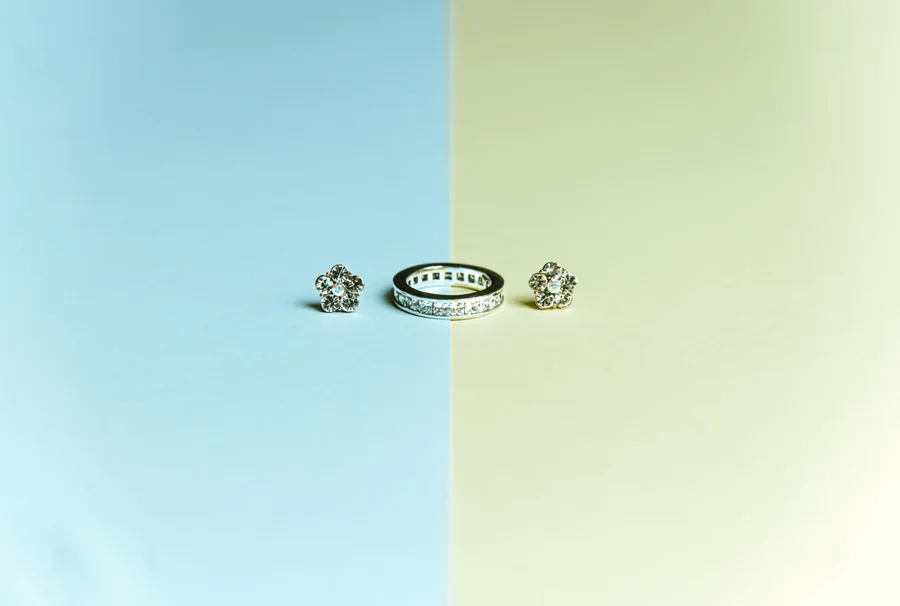
Matching earrings requires reviewing two stones together for measurements, shape and visual appearance, as well as the grading and report requirements of the brief.

Pre-shipment jewelry QC compares the finished piece, quantity and packing with the approved specification, CAD revision and sample reference.
Review growth approaches, treatment disclosure and the information needed for a stone proposal.
Understand diamond origin, simulants and the assessment scope that a photograph cannot establish.